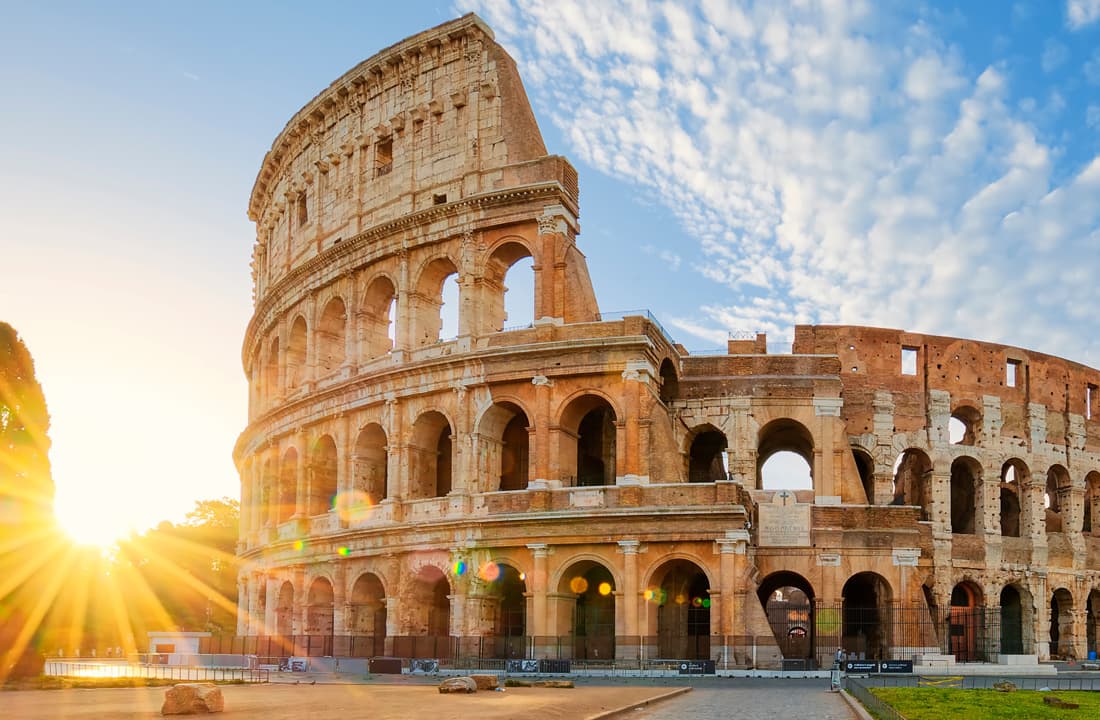
The best all-round windows
For a classic city-and-rail itinerary, April to early June and September to October usually offer the strongest balance of sightseeing weather and manageable demand. Easter, public holidays, major exhibitions and local festivals can still create peak conditions inside those windows.
July and August suit beaches, islands and high mountains but can be hot and crowded in Rome, Florence and other art cities. Winter brings quieter museums and better-value city stays, while ski areas and holiday dates follow their own high season.
Italy season by season
Italy stretches from the Alps into the central Mediterranean, so national averages hide major differences. Check every region on the route rather than packing for Rome alone.
| Season | Best suited to | Main trade-off |
|---|---|---|
| Spring · Mar–May | Art cities, gardens, walking | Holiday crowds and changeable rain |
| Summer · Jun–Aug | Coasts, islands and mountains | Heat, peak prices and full resorts |
| Autumn · Sep–Nov | Food, cities and harvest landscapes | Later autumn becomes wetter |
| Winter · Dec–Feb | Museums, festive cities and skiing | Shorter days and seasonal closures |
Match the month to the region
The Dolomites and Alpine lakes are strongest for warm-weather hiking after snow conditions ease, while winter supports skiing. Sicily, Puglia and other southern areas can remain pleasant beyond the northern shoulder season, though beach services and ferry schedules may reduce outside summer.
Venice can be humid and crowded in summer and may experience acqua alta during parts of autumn and winter. Rome and Florence are most comfortable when midday heat does not force the entire sightseeing plan indoors.
- Art-city route: April–May or late September–October.
- Beach holiday: June or September for warmth with less peak pressure.
- High-mountain hiking: summer, after checking route and lift conditions.
- Food and wine: early autumn, timed to the specific region.
Book around demand, not just weather
Reserve major museums, limited-entry archaeological sites, fast trains and headline accommodation when dates overlap with holidays or events. Coastal towns and islands may sell out while inland cities still have availability.
Keep smaller towns and weather-sensitive excursions flexible where possible. A route with two or three nights per base is easier to adjust than a chain of one-night bookings.
Clear answers
Frequently asked questions
What month has the best weather in Italy?
There is no single national answer. May and late September are useful for many city itineraries, while beaches and mountains follow different seasonal windows.
Is August a bad time to visit Italy?
Not if the trip is built for coasts, islands or mountains. Art cities can be very hot, many Italians take holidays, and popular resort areas become expensive.
Is Italy good in winter?
Yes for quieter cultural trips, seasonal food, festive cities and skiing. Expect shorter hours or closures at some coastal and rural businesses.
Verification
Official sources and editorial notes
Reviewed on Jul 27, 2026. Entry rules, transport schedules, prices and safety guidance can change; confirm time-sensitive details at the official source before travel.