The quick answer
For a first multi-city trip, late April through June and September are strong all-round choices. Days are useful for sightseeing, gardens and walking, while the busiest school-holiday weeks are easier to avoid. Weather remains changeable, so a dry forecast should be treated as a bonus rather than a guarantee.
July and August bring the longest practical sightseeing days and the largest event calendar, but also higher room prices and heavier demand in London, Edinburgh, Cornwall and national parks. Winter is best for museums, theatre, festive markets and value-focused city breaks, provided you are comfortable with short daylight hours.
Season-by-season comparison
Britain has four seasons, but conditions can change within the same day and vary between the south of England, western coasts, upland areas and northern Scotland. Use these windows for planning, then check a local forecast close to travel.
| Season | What it is good for | What to expect |
|---|---|---|
| Spring · Mar–May | Gardens, city walks, lighter crowds | Cool mornings, showers and improving daylight |
| Summer · Jun–Aug | Festivals, coast, Highlands and long days | Peak demand and variable warmth |
| Autumn · Sep–Nov | Culture, foliage and food-focused trips | Cooling weather and shorter days |
| Winter · Dec–Feb | Museums, theatre and festive breaks | Low daylight, wind and possible disruption |
Choose timing by region and trip style
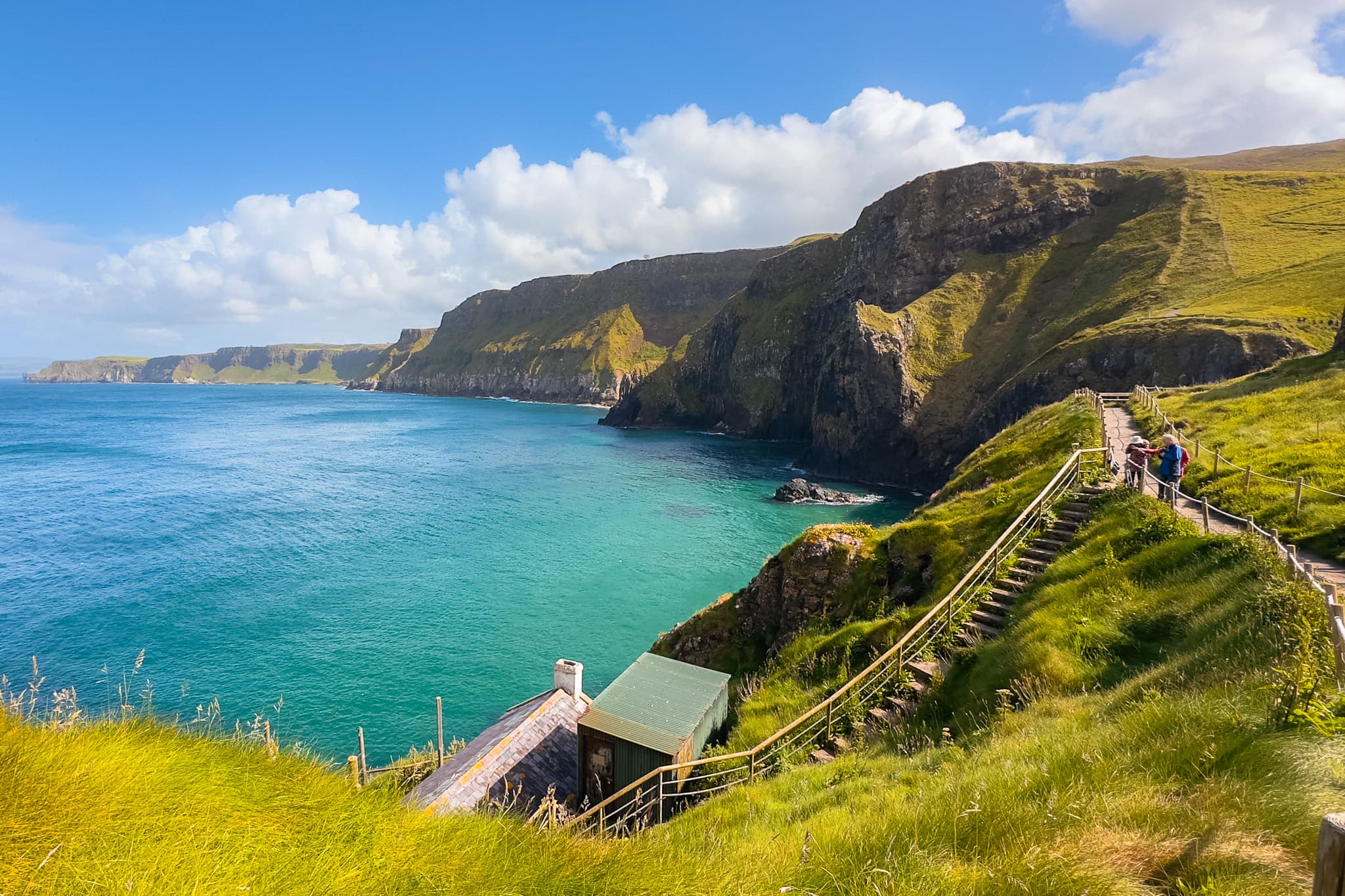
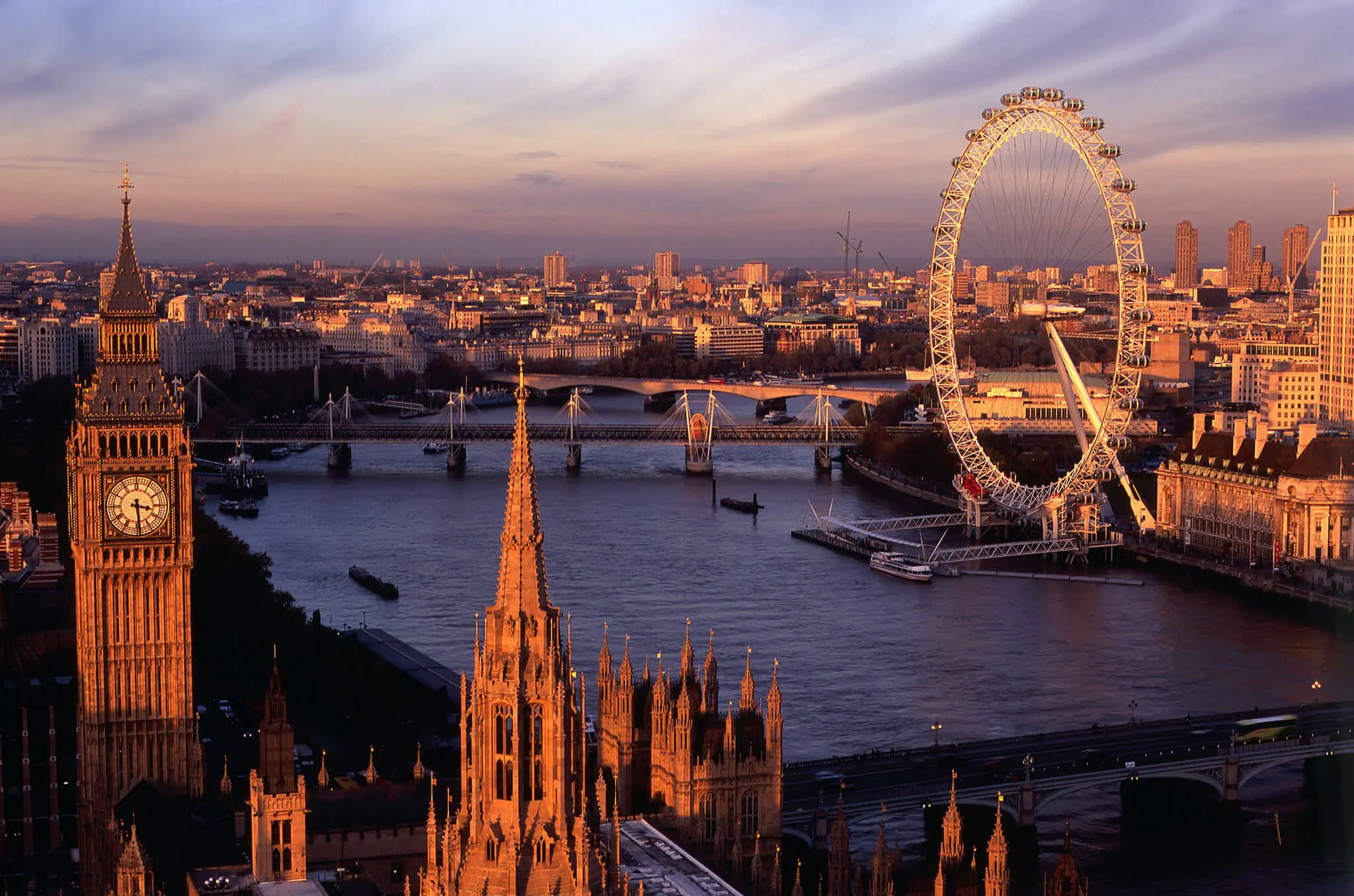
London, Manchester, Liverpool, Glasgow and other large cities work year-round because indoor attractions are substantial. For the Scottish Highlands, islands, long hikes or the Welsh coast, late spring through early autumn gives more daylight and a broader seasonal transport schedule.
Edinburgh becomes exceptionally busy during its August festivals. University cities and coastal areas also tighten during school holidays. If a headline event is central to the trip, secure accommodation first; if it is not, shifting by even one week can improve both price and availability.
- City and museum trip: any month, with spring and autumn the easiest balance.
- Countryside walking: May to September, with waterproof layers year-round.
- Festivals and major sport: book around the event calendar, not just the weather.
- Budget break: January, February and selected November dates outside holidays.
When to book
For summer, Edinburgh in August, major football weekends or holiday periods, reserve the key accommodation and intercity trains early. Advance rail fares are tied to a specific service and can be much cheaper than flexible walk-up tickets, but they reduce spontaneity.
Outside peak weeks, keep some flexibility. Book the first and last nights, identify the train legs that benefit from advance fares, and leave weather-sensitive day trips adjustable until the forecast becomes clearer.
Clear answers
Frequently asked questions
What is the least rainy month in the UK?
Rainfall varies substantially by region, and no month is reliably dry across the country. Late spring is often comfortable for broad itineraries, but pack a compact waterproof in every season.
Is the UK worth visiting in winter?
Yes for museums, theatre, restaurants, festive events and lower-demand city stays. Expect short daylight, cold wind and a higher chance of transport disruption in severe weather.
How many days are enough for a first UK trip?
Seven to ten days works well for London plus one or two regions. Trying to cover England, Scotland, Wales and Northern Ireland in one short visit usually creates more transit than experience.
Verification
Official sources and editorial notes
Reviewed on Jul 27, 2026. Entry rules, transport schedules, prices and safety guidance can change; confirm time-sensitive details at the official source before travel.