Emergency contacts and preparation
Call 999 or 112 for an immediate emergency involving police, fire, ambulance or coastguard. For non-emergency police matters, 101 is commonly used, while NHS 111 can direct urgent medical questions that are not life-threatening; availability and service details should be verified locally.
Save your insurer, card issuers, accommodation and embassy or consulate details. Keep a secure copy of the passport and policy number separate from the originals.
Protect phones, cards and bags
In busy city centres and transport hubs, keep the phone away from the road edge and do not leave it exposed on an outdoor table. Use a zipped bag, enable device tracking and back up important information before travel.
Only use licensed taxis or official ride-hailing pickup instructions. Ignore unsolicited requests to help with an ATM or buy a ticket, and verify any urgent message from a bank or accommodation through a known official channel.
- Separate your backup card from your main wallet.
- Use hotel storage for documents you do not need that day.
- Check the route before stepping into the street with a phone.
- Report theft and obtain a reference for insurance.
Roads, nightlife and transport
Traffic drives on the left. Look both ways at crossings and pay special attention when instinct points you toward the wrong lane. After dark, stay with your group, watch your drink and use a planned route home.
Late-night rail and local service can differ from daytime schedules. Check the last connection before an event ends and avoid an unlicensed vehicle offered outside a venue.
Coasts, mountains and weather
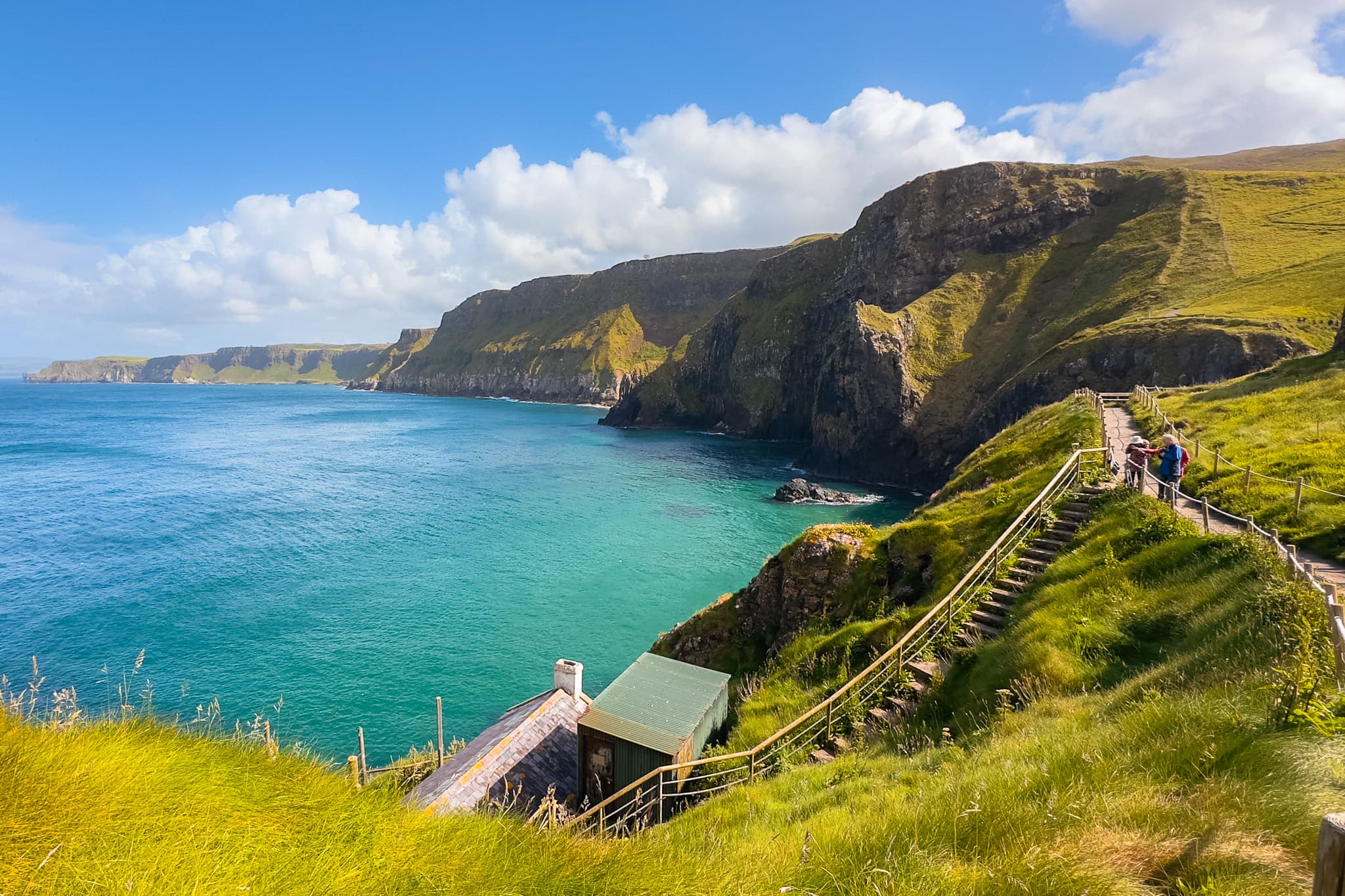
Tides, cliffs, cold water and fast-changing mountain weather create risks beyond what a city itinerary suggests. Check tide times and local warnings, stay back from edges and do not enter rough water for a photograph.
For remote walks, carry offline navigation, adequate clothing, food and power; share the route and expected return. Turn back when weather, daylight or ability makes the plan unsafe.
Clear answers
Frequently asked questions
What is the emergency number in the UK?
Call 999 or 112 for an immediate police, fire, ambulance or coastguard emergency.
Is public transport safe at night?
It is widely used, but apply normal city precautions: plan the last service, stay in populated areas and keep valuables controlled.
What should I do if my passport is stolen?
Report the theft to police, contact your embassy or consulate and notify your insurer. Keep a secure copy and relevant phone numbers separate from the passport.
Verification
Official sources and editorial notes
Reviewed on Jul 27, 2026. Entry rules, transport schedules, prices and safety guidance can change; confirm time-sensitive details at the official source before travel.